


No. Liposuction is a body contouring procedure for localized fat deposits resistant to diet and exercise. It removes fat cells permanently but is not a treatment for obesity. Ideal candidates are near their target weight.
Liposuction
in Turkey
Stubborn fat deposits can gradually affect confidence, appearance, and self-image over time. Liposuction has become one of the most popular solutions for patients seeking natural-looking and long-lasting results with improved body contours.
Turkey is recognized worldwide for advanced cosmetic procedures, experienced specialists, and modern medical facilities. CareBridge US helps international patients access trusted providers while guiding them through every step of the journey from consultation to recovery.
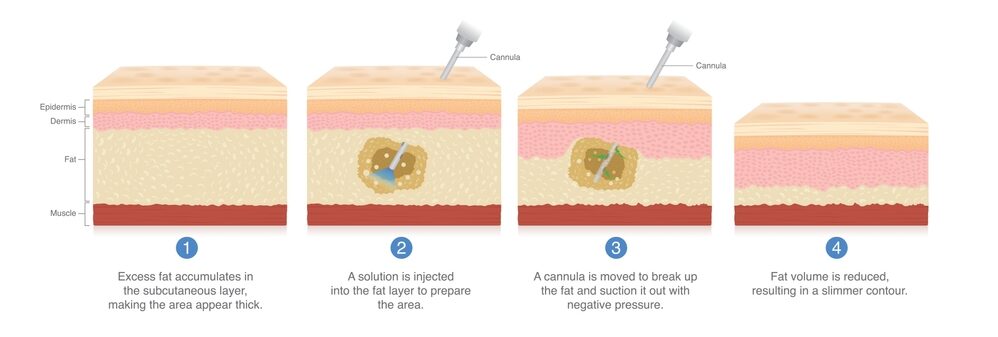
Liposuction (lipoplasty) is commonly recommended for patients seeking to remove localized fat that resists diet and exercise. The procedure involves inserting a cannula through small incisions to suction adipose tissue from specific body regions, permanently reducing fat cell numbers in the treated area.
What is liposuction?
Patients seek liposuction when subcutaneous fat remains visible after achieving a stable, healthy body weight. The fat is aspirated through small incisions, permanently reducing the number of fat cells in the treated area.
The procedure is indicated for focal adiposities (discrete pockets of fat) that are resistant to diet and exercise. It is not a treatment for obesity or cellulite, though improvement in surface irregularity may occur.
Liposuction works by mechanically disrupting and evacuating fat cells. Once removed, these cells do not regenerate. However, remaining fat cells in the treated area can still enlarge with future weight gain.
What are the different liposuction techniques?
Several energy-based adjuncts enhance traditional suction-assisted liposuction. The choice depends on fat density, desired skin tightening, and surgeon preference.
Tumescent liposuction: The current standard of care. A large volume of tumescent fluid (dilute lidocaine and epinephrine in saline) is infiltrated into the fat before aspiration. Epinephrine causes vasoconstriction, minimizing bleeding. Lidocaine provides intraoperative and extended postoperative analgesia. The cannula is then inserted through small incisions (2-4 mm) to aspirate the fat. This technique can be performed under local anesthesia for small volumes.
Ultrasound-assisted liposuction (UAL, VASER): Ultrasound energy is delivered through a specialized cannula to liquefy fat before aspiration. This technique is particularly effective for fibrous areas (male chest, back, flanks) and for revision cases. It also promotes skin contraction by heating the dermis. VASER is a proprietary form of UAL.
Laser-assisted liposuction (LAL, SmartLipo, SlimLipo): Laser energy (typically 1064 nm or 1320 nm) is delivered through a thin fiber to melt fat and coagulate small blood vessels. The liquefied fat is then removed with low vacuum or allowed to drain. Laser also stimulates collagen production, enhancing skin tightening beyond that of traditional liposuction.
Power-assisted liposuction (PAL): A mechanized cannula vibrates or rotates rapidly (up to 4000 cycles per minute), reducing manual effort and allowing more precise fat removal with less trauma to surrounding tissues. PAL reduces operator fatigue and is commonly used for large-volume or fibrous cases.
Water-assisted liposuction (WAL, BodyJet): A pulsating jet of tumescent fluid dislodges fat cells, which are then aspirated simultaneously. This technique is considered gentle with reduced tissue trauma.
Who is the best candidate for liposuction in Turkey?
Suitable candidates meet specific clinical criteria that optimize outcomes and minimize complications.
Stable body weight: The patient’s weight should be within 30% of ideal body weight for height. A stable weight for at least 6-12 months is required. Liposuction does not produce significant weight loss.
Localized fat deposits: Discrete, pinchable fat bulges are present despite diet and exercise. Common examples include lower abdominal pooch, inner/outer thighs, hip rolls, and double chin.
Good skin elasticity: The skin must be able to contract smoothly after fat removal. Poor elasticity (due to aging, massive weight loss, or genetics) may result in loose, redundant skin requiring additional excision (e.g., abdominoplasty).
Non-smoker or willing to quit at least 4 weeks preoperatively. Nicotine impairs wound healing and increases risks of skin necrosis and poor contour.
No uncontrolled medical conditions: Diabetes, bleeding disorders, cardiac disease, and hypertension must be optimally managed.
Realistic expectations: The patient understands that liposuction improves contour but does not correct cellulite, stretch marks, or generalized obesity. Scars from incisions are permanent but small (2-4 mm) and placed in natural creases.
Contraindications: Active infection in the treatment area, severe cardiopulmonary disease, pregnancy or breastfeeding, current anticoagulation that cannot be paused, untreated lymphedema, and body dysmorphic disorder.
Liposuction process in Turkey
The procedure is performed in an accredited hospital or clinic operating room. Anesthesia depends on the volume and number of sites. Small-volume cases (under 500 mL aspirate) may use local anesthesia with sedation. Larger volumes (up to 5 liters) require general anesthesia. Outpatient or overnight stay depends on the volume aspirated.
Consultation and marking: The surgeon evaluates fat distribution, skin quality, and contour irregularities with the patient standing. Preoperative photographs are taken. The patient marks the desired treatment areas while standing, and the surgeon refines the boundaries. Areas of asymmetry are documented.
Anesthesia: Local anesthesia with sedation or general anesthesia administered by an anesthesiologist. Operating time ranges from 1 to 4 hours depending on the number of sites and technique.
Infiltration: Tumescent fluid (lidocaine 0.05-0.1%, epinephrine 1:1,000,000 in saline) is infiltrated into the fat compartment until the tissue becomes firm and tense. This provides anesthesia, hemostasis, and fat expansion for easier cannula passage.
Aspiration: Small incisions (2-4 mm) are placed in natural creases or hidden locations. A cannula (2-4 mm diameter) is inserted and moved in a fanning or cross-hatching pattern to disrupt and aspirate fat. The deep fat layer (above muscle fascia) is targeted while preserving the subdermal plexus to avoid contour irregularities. For energy-based techniques (VASER, laser), the energy is delivered before aspiration.
Closure: Incisions are left open or closed with a single absorbable suture to allow drainage of tumescent fluid. No drains are typically required. A compression garment is applied immediately.
Plastic Surgery Treatments
Get In Touch With Us
Call Us Anytime
+1 929 7101 505
+90 537 462 26 09
+90 537 462 26 09
Email Us
contact@carebridgeus.com
Book A Free Consultation
Request your free consultation with CareBridge US by filling out the form below. Our team will contact you to discuss your treatment goals and guide you through your medical journey in Turkey.
Recovery after liposuction
Healing follows a predictable timeline. Final contour becomes visible after 3-6 months as swelling resolves.
First 24-72 hours: Swelling and bruising peak. Tumescent fluid drains from incision sites, which is normal. The compression garment is worn 24 hours per day. Pain is controlled with prescribed oral analgesics. The patient remains well hydrated but limits sodium intake to reduce edema.
Week 1: Swelling and bruising begin to subside. Most patients with sedentary jobs return to work at 3-5 days. Compression garment continues full time. Showering is permitted after 48 hours, with thorough drying of incisions. Light walking is encouraged to prevent venous thromboembolism.
Week 2 to 3: Bruising significantly fades. Swelling decreases but remains noticeable. Strenuous activity and heavy lifting remain prohibited. Compression garment continues (most protocols require 3-4 weeks total). Some patients may wear it part-time after week 2.
Week 4 to 6: Swelling is largely resolved. Patients return to full activities, including cardio and moderate strength training. Compression garment is typically discontinued at 4 weeks. The treated area may feel firm, lumpy, or numb, which is normal and resolves over months.
Month 3 to 6: Final contour becomes apparent. Residual swelling resolves. Numbness and firmness gradually improve. Scars from incisions fade to pale pink or white.
Month 6 to 12: Complete soft-tissue settling occurs. Scars become thin and flat. Skin contraction reaches its maximum. Any persistent contour irregularities may be addressed with revision liposuction or fat grafting after 6 months.
Risks and limitations
Liposuction has a low complication rate (under 2% for serious events) when performed by qualified practitioners.
Common temporary effects: Swelling, ecchymosis (bruising), edema, numbness of overlying skin, and mild to moderate pain. Tumescent fluid drainage for 24-72 hours. Firmness or nodularity in the treated area that resolves with massage and time.
Complications requiring intervention: Seroma (fluid collection, 1-5%) managed with aspiration. Hematoma (blood collection, under 1%) may require drainage. Infection (under 1%) treated with antibiotics. Skin contour irregularities (waviness, rippling, or depressions) may occur from excessive superficial fat removal; some improve spontaneously, others require fat grafting or revision. Asymmetry may be corrected after 6 months.
Serious but rare complications: Skin necrosis (tissue death) more likely in smokers and those with poor skin circulation. Deep vein thrombosis and pulmonary embolism are rare but require prompt recognition. Lidocaine toxicity (from large-volume tumescent) is prevented by adhering to safe dosing limits (35 mg/kg for standard lidocaine, up to 55 mg/kg with epinephrine). Perforation of abdominal wall leading to bowel injury, or penetration into thoracic cavity, is extremely rare with proper technique.
Permanent limitations: Scars from incisions are permanent but small and inconspicuous. The treated area will have fewer fat cells, but remaining fat cells can enlarge with significant weight gain. Cellulite is not reliably improved. Skin laxity may persist if preoperative elasticity was poor, potentially requiring skin excision (e.g., abdominoplasty or thigh lift).
How to prepare for liposuction in Turkey
Preoperative medical preparation:
Discontinue smoking at least 4 weeks before the procedure. Nicotine cessation is mandatory.
Stop blood-thinning medications (aspirin, ibuprofen, warfarin, clopidogrel, fish oil, vitamin E, ginkgo) as directed by the surgeon.
Complete preoperative laboratory tests (complete blood count, coagulation profile, chemistry panel, and pregnancy test for women of childbearing age).
Achieve and maintain a stable body weight for 6-12 months prior.
Obtain medical clearance for any chronic conditions (cardiac, pulmonary, diabetes).
Arrange a responsible adult to accompany the patient for the first 24 hours.
Logistical preparation:
Plan a stay in Turkey of 7-10 days (longer for larger volume cases).
Do not travel alone for the first 24-48 hours; assistance is needed.
Pack loose-fitting, front-fastening clothing and slip-on shoes. Garments that pull over the head or tight waistbands are not suitable.
Purchase an extra compression garment if the clinic provides only one. Two garments allow for washing and drying.
Prepare meals in advance for the first week or arrange meal delivery.
Before & After
Results
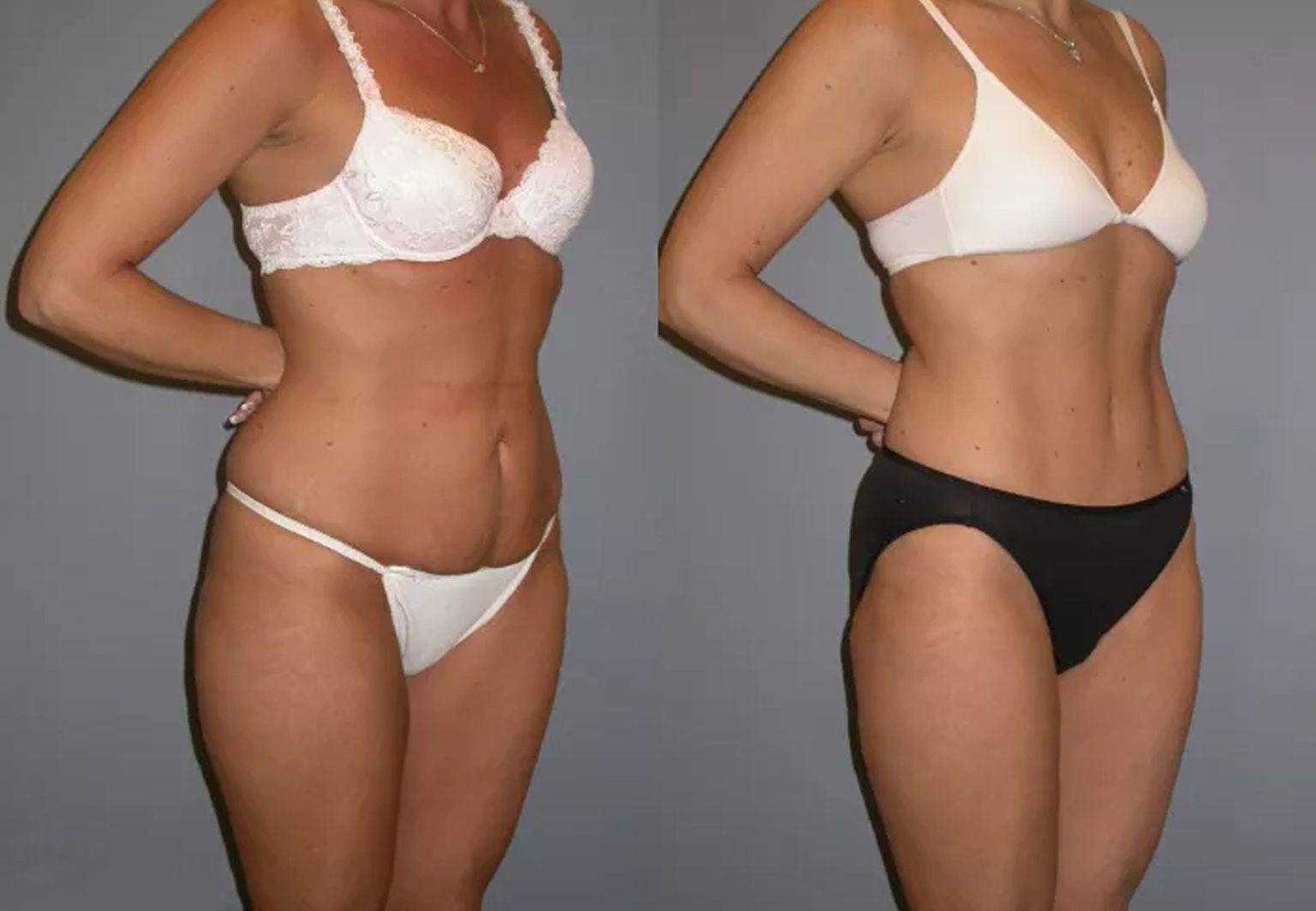
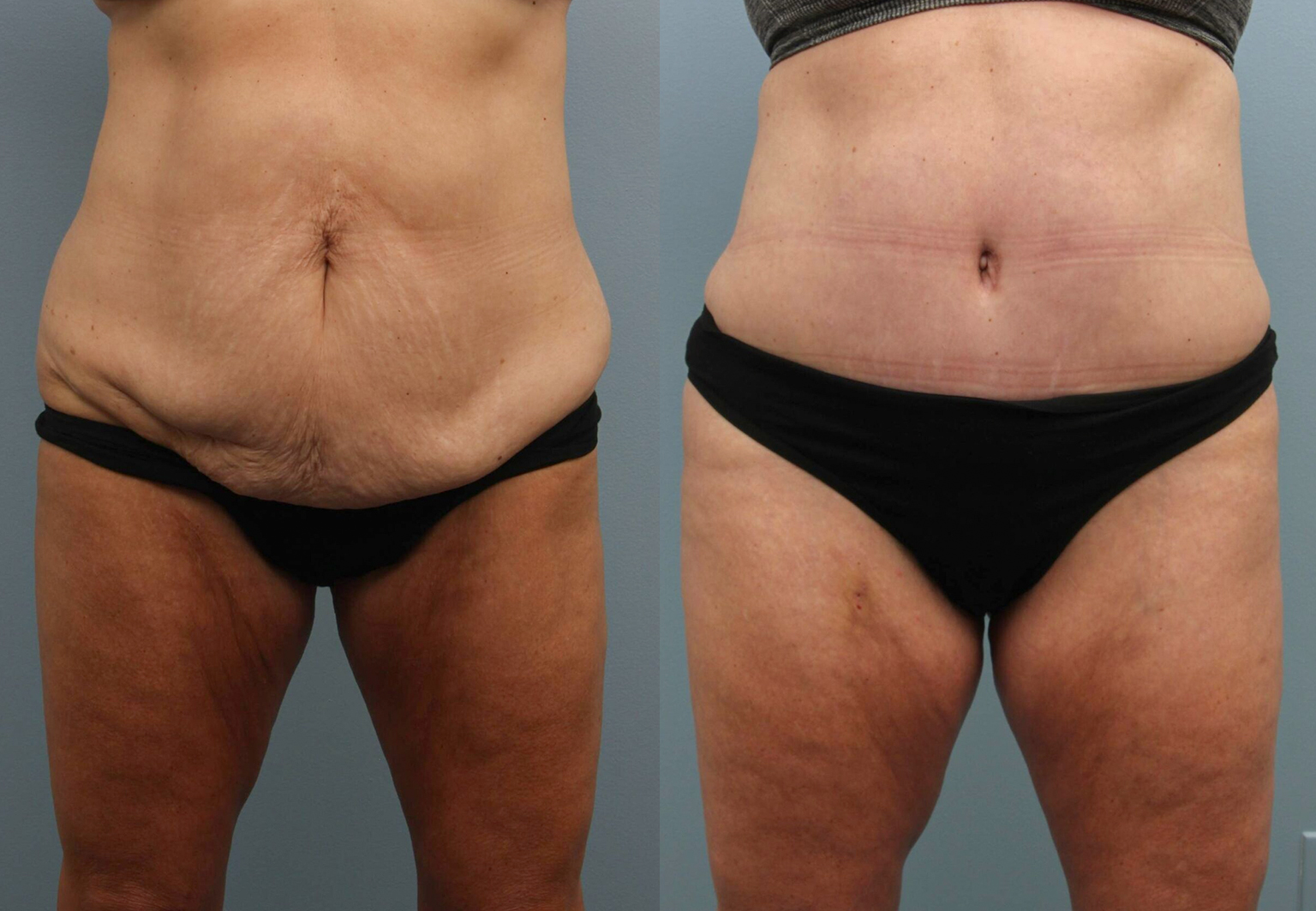
See how liposuction can help refine body contours and remove localized fat deposits resistant to diet and exercise through carefully planned treatment coordination. Each result depends on the patient’s skin elasticity, fat distribution, treatment areas, and individual healing process.
![CareBridge - Liposuction - Before and after [04]](https://carebridgeus.com/wp-content/uploads/2026/05/CareBridge-Liposuction-Before-and-after-04.jpg "CareBridge - Liposuction - Before and after [04]")
![CareBridge - Liposuction - Before and after [03]](https://carebridgeus.com/wp-content/uploads/2026/05/CareBridge-Liposuction-Before-and-after-03.jpg "CareBridge - Liposuction - Before and after [03]")
Is liposuction a weight loss procedure?
Which areas can be treated?
Abdomen, flanks (love handles), thighs (inner, outer, anterior), arms, back, bra rolls, chin/neck, knees, and ankles. Multiple areas can be treated in one session depending on total volume and safety limits.
How much fat can be removed in one session?
Safety guidelines recommend removing no more than 4–5 liters of total aspirate (fat plus fluid) in outpatient settings. Larger volumes require hospital stay and closer monitoring.
Will the fat come back?
Removed fat cells do not regenerate. However, remaining fat cells can expand with weight gain. Maintaining stable weight preserves results.
What is the difference between traditional lipo, VASER, and laser lipo?
Traditional liposuction uses manual suction. VASER uses ultrasound energy to liquefy fat for easier removal and potential skin tightening. Laser lipo (SmartLipo) uses thermal energy for similar purposes. Your surgeon recommends based on your skin quality and goals.
How soon will I see results?
Some contour improvement is visible immediately, but significant swelling masks results for 4–6 weeks. Final results typically appear at 3–6 months.
How soon will I see results?
Some contour improvement is visible immediately, but significant swelling masks results for 4–6 weeks. Final results typically appear at 3–6 months.
Will I have loose skin after liposuction?
Patients with good skin elasticity typically experience adequate retraction. Those with poor elasticity or significant pre-existing laxity may require skin tightening procedures (RF treatments, BodyTite, or surgical excision).
Get Your
Free Consultation
Speak With
A Medical
Consultant
Fill out the form and our team will contact you with personalized guidance and treatment information.
Copyright 2026 by Carebridge US. All rights reserved.
Copyright 2026 by Carebridge US. All rights reserved.