


In many countries, yes if you meet criteria documenting physical symptoms (back/neck pain, shoulder grooves, rashes, activity limitation) and minimum tissue removal amounts. As a self-pay medical tourism patient, you pay directly regardless of insurance status.
Breast Reduction
in Turkey
Overly large breasts can gradually affect comfort, posture, and self-image over time. Breast reduction has become one of the most popular solutions for patients seeking natural-looking and long-lasting relief from physical symptoms and improved body proportions.
Turkey is recognized worldwide for advanced cosmetic procedures, experienced specialists, and modern medical facilities. CareBridge US helps international patients access trusted providers while guiding them through every step of the journey from consultation to recovery.
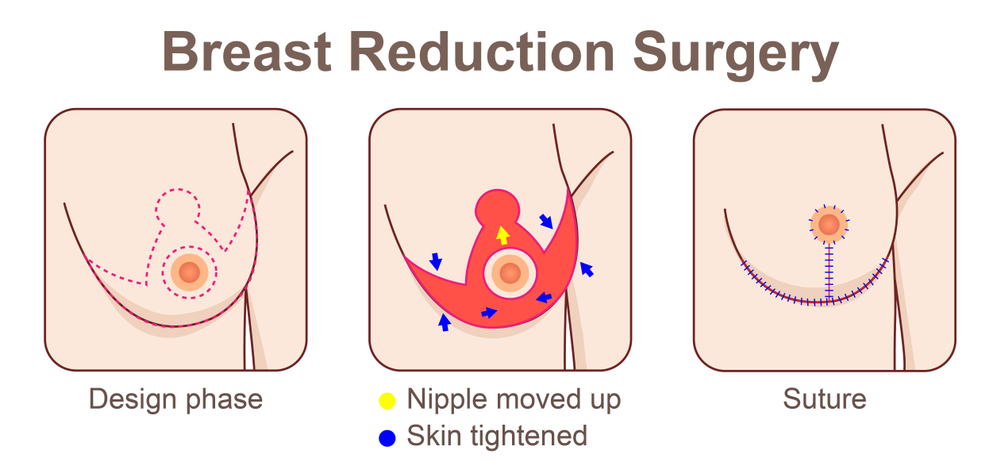
Breast reduction (reduction mammoplasty) is commonly recommended for patients seeking to reduce breast volume and alleviate chronic pain. The procedure involves removing excess glandular tissue, fat, and skin, then reshaping the remaining breast tissue and repositioning the nipple-areola complex to achieve a smaller, lighter, and more proportionate breast size.
What is breast reduction?
Conservative measures include supportive bras, physical therapy, and topical antifungals. These manage symptoms but do not address excessive breast weight. procedure is the definitive treatment.
Indications for breast reduction:
- Chronic neck, back, and shoulder pain. Breast weight pulls the thoracic spine into flexion, causing musculoskeletal strain.
- Deep bra strap grooves. Permanent indentation indicates sufficient breast weight to deform soft tissue.
- Intertrigo and candidal infection. Moisture and friction in the inframammary fold promote recurrent fungal and bacterial overgrowth.
- Upper extremity paresthesia. Poor posture from heavy breasts may cause neurovascular compression.
- Activity limitation. Inability to exercise due to pain leads to reduced cardiovascular fitness.
- Poorly fitting clothing. Standard sizing accommodates large bust measurements poorly.
Who is the best candidate for breast reduction?
Candidates have stable health, realistic expectations, and documented physical symptoms.
- Stable weight for six months. Postoperative weight changes alter breast volume unpredictably.
- Completed childbearing preferred. Lactation capacity may be reduced or eliminated depending on pedicle technique.
- Non-smoker for four weeks preoperatively. Nicotine causes vasoconstriction and increases nipple necrosis risk.
- BMI ideally below 30. Higher BMI correlates with increased wound complications and infection.
- No uncontrolled medical conditions. Hypertension, diabetes, and coagulopathies must be managed.
- Realistic expectations. Scars are permanent. Nipple sensation changes may occur. Symmetry is improved but not perfect.
Contraindications. Active smokers unwilling to quit. Uncontrolled diabetes or hypertension. Body mass index above 35. Untreated breast malignancy. Active breast infection.
Breast reduction process in Turkey
Consultation. The surgeon reviews medical history, performs breast examination, measures degree of ptosis (sagging), and documents symptoms. Preoperative photographs are obtained.
Anesthesia. General anesthesia administered by a specialist anesthesiologist. Operative time ranges from 2 to 5 hours.
Incision pattern selection.
- Inverted-T (Wise pattern). Incisions around areola, vertically to inframammary fold, and horizontally along fold. Indicated for large reductions (>500 grams per breast) and significant ptosis.
- Vertical (lollipop). Incisions around areola and vertically to fold, without horizontal component. Suitable for moderate reductions.
- Liposuction-only. For predominantly fatty breasts, minimal skin excess, and no significant ptosis. Leaves small stab incisions but provides no lift.
Resection and reshaping. The surgeon removes glandular tissue, fat, and skin. The nipple-areola complex is transposed superiorly on a vascular pedicle (inferior, superomedial, or superior). The areola is reduced to match the smaller breast mound.
Closure and drainage. Incisions are closed in layers with absorbable and non-absorbable sutures. Drains are placed to prevent seroma. A surgical bra and dressings are applied.
Recovery after breast reduction
Hospital stay (1-2 nights). Drains removed at 24-48 hours. Pain managed with oral or intravenous analgesics. Early ambulation encouraged.
Week 1 to 2. Surgical bra worn continuously. Swelling and bruising peak during the first 72 hours. Arm movement restricted below shoulder height. No lifting over 5 kg. Sutures removed at 10-14 days.
Week 3 to 4. Swelling and bruising decrease. Most patients return to sedentary work. Mean return-to-work is approximately four weeks.
Week 4 to 6. Transition to supportive sports bra worn day and night. Light walking permitted. No high-impact activity.
Week 6 to 8. Gradual return to normal exercise including jogging and moderate gym work.
Month 6. Most swelling resolved. Breast shape stabilizes. Scar maturation continues up to 12 months.
Plastic Surgery Treatments
Get In Touch With Us
Call Us Anytime
+1 929 7101 505
+90 537 462 26 09
+90 537 462 26 09
Email Us
contact@carebridgeus.com
Book A Free Consultation
Request your free consultation with CareBridge US by filling out the form below. Our team will contact you to discuss your treatment goals and guide you through your medical journey in Turkey.
Risks and limitations
Common temporary effects. Pain, edema, ecchymosis. Nipple and skin hypoesthesia or hyperesthesia. Fatigue.
Complications requiring intervention. Seroma (2-5%) – may need aspiration. Infection (1-3%) – antibiotics. Hematoma (<1%) – possible surgical drainage. Wound dehiscence; more common at T-junction. Asymmetry; revision after six months.
Serious rare complications. Nipple-areola complex necrosis (<1%) – risk increased in smokers and very large breasts. Venous thromboembolism. Anesthesia complications.
Permanent limitations. Visible scars. Nipple sensation changes often permanent. Breastfeeding capacity reduced or eliminated. Recurrent ptosis may occur with aging, weight gain, or pregnancy. Secondary procedure may be needed.
How to prepare for breast reduction
Medical preparation. Stop smoking four weeks before procedure. Stop blood-thinning agents (aspirin, ibuprofen, warfarin, fish oil, vitamin E) as directed. Complete pre-surgical laboratory tests. Obtain mammography if indicated. Achieve stable weight for six months. Obtain medical clearance for chronic conditions.
Logistical preparation. Stay in Turkey 7-10 days. Arrange a companion for the first postoperative week. Pack front-fastening, loose-fitting tops. Nothing that pulls over the head. Purchase additional surgical bras.
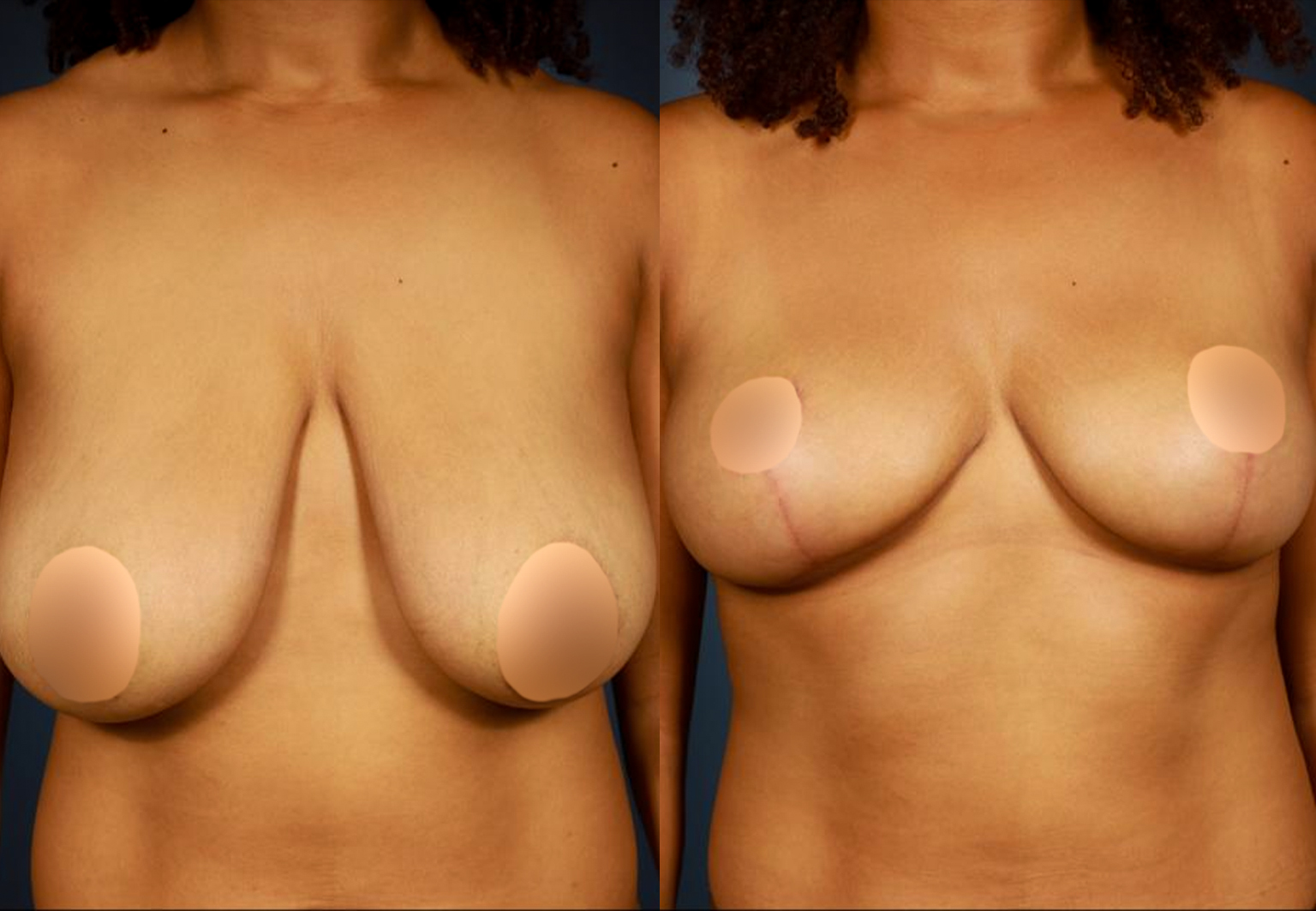
Before & After
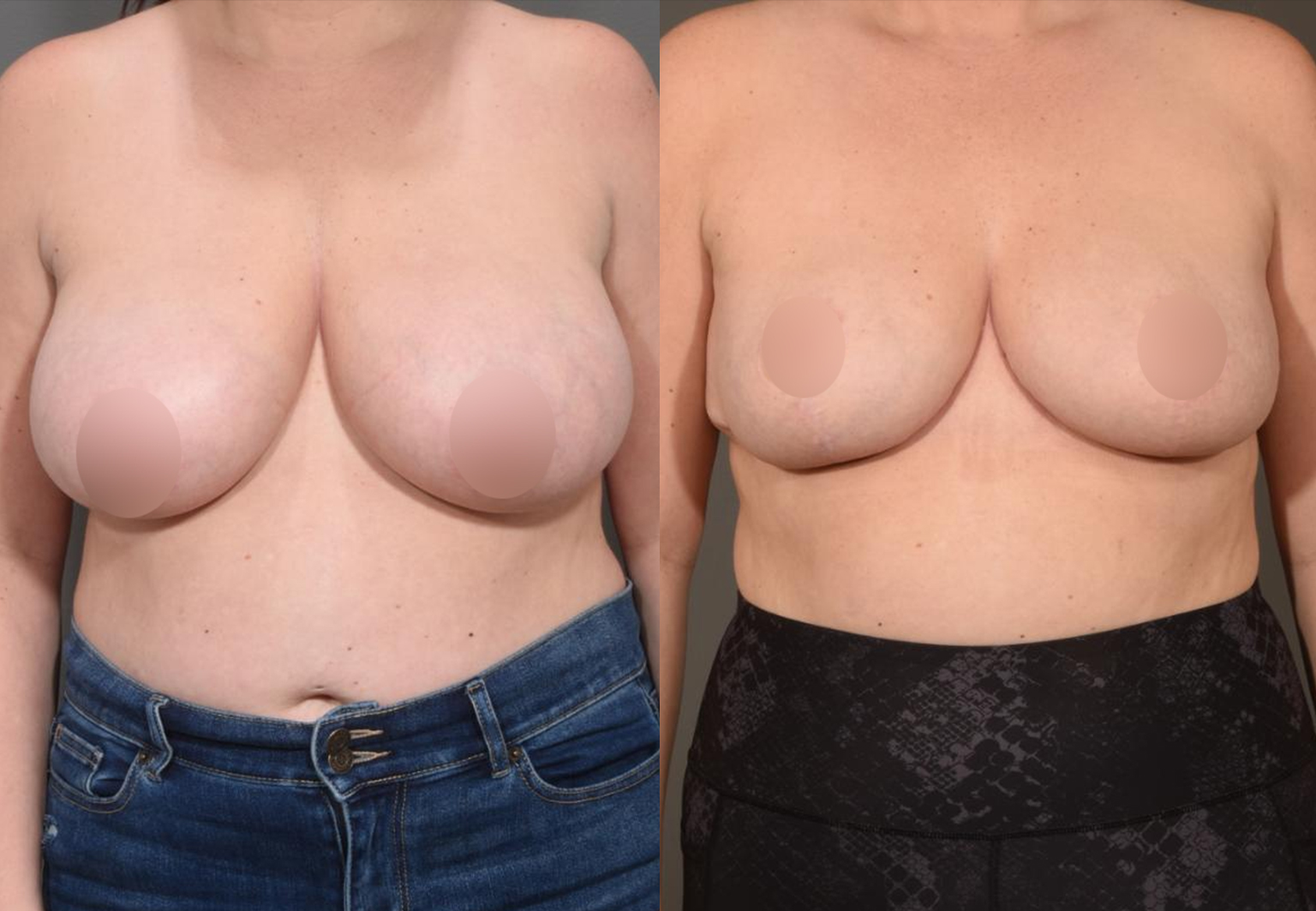
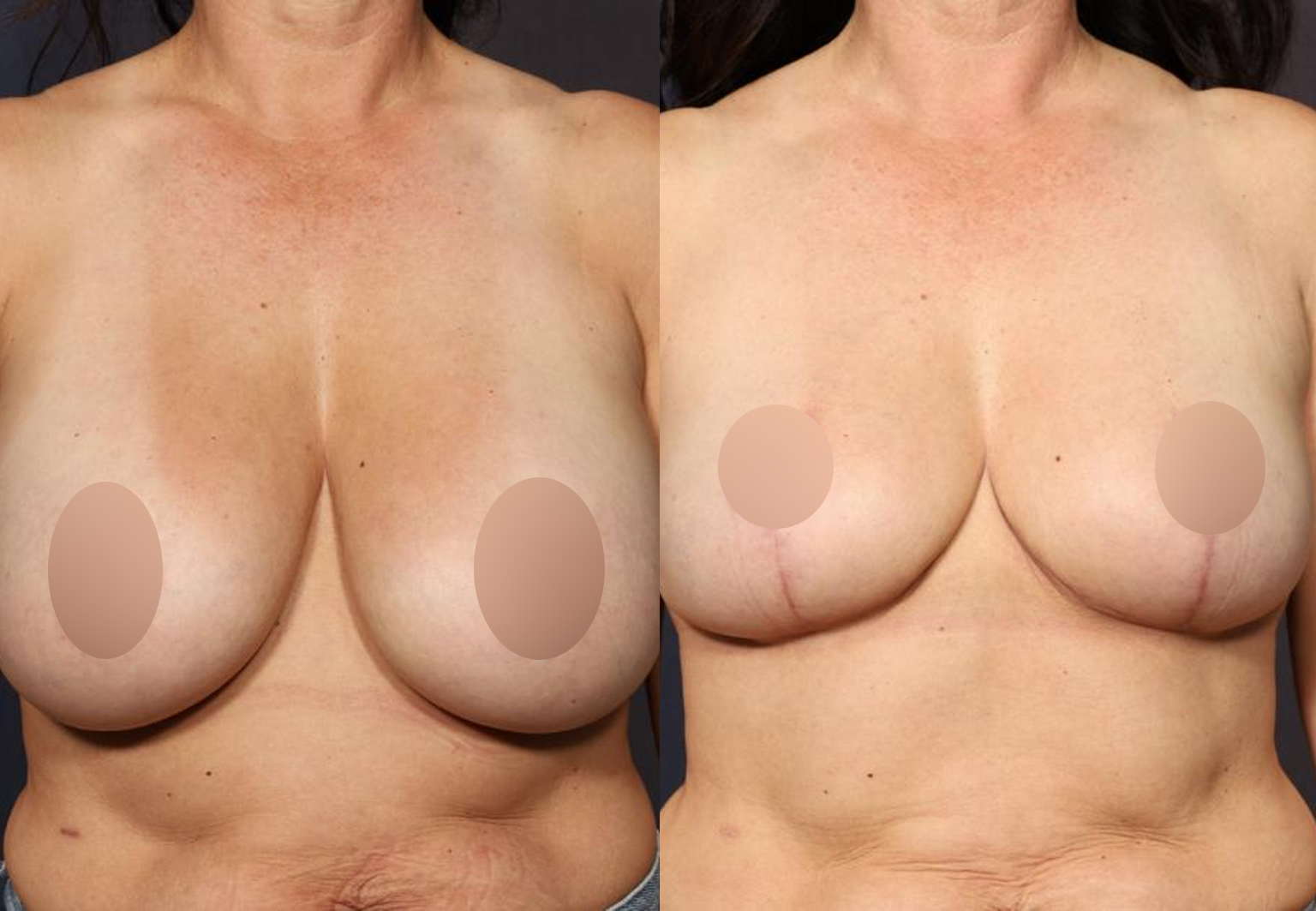
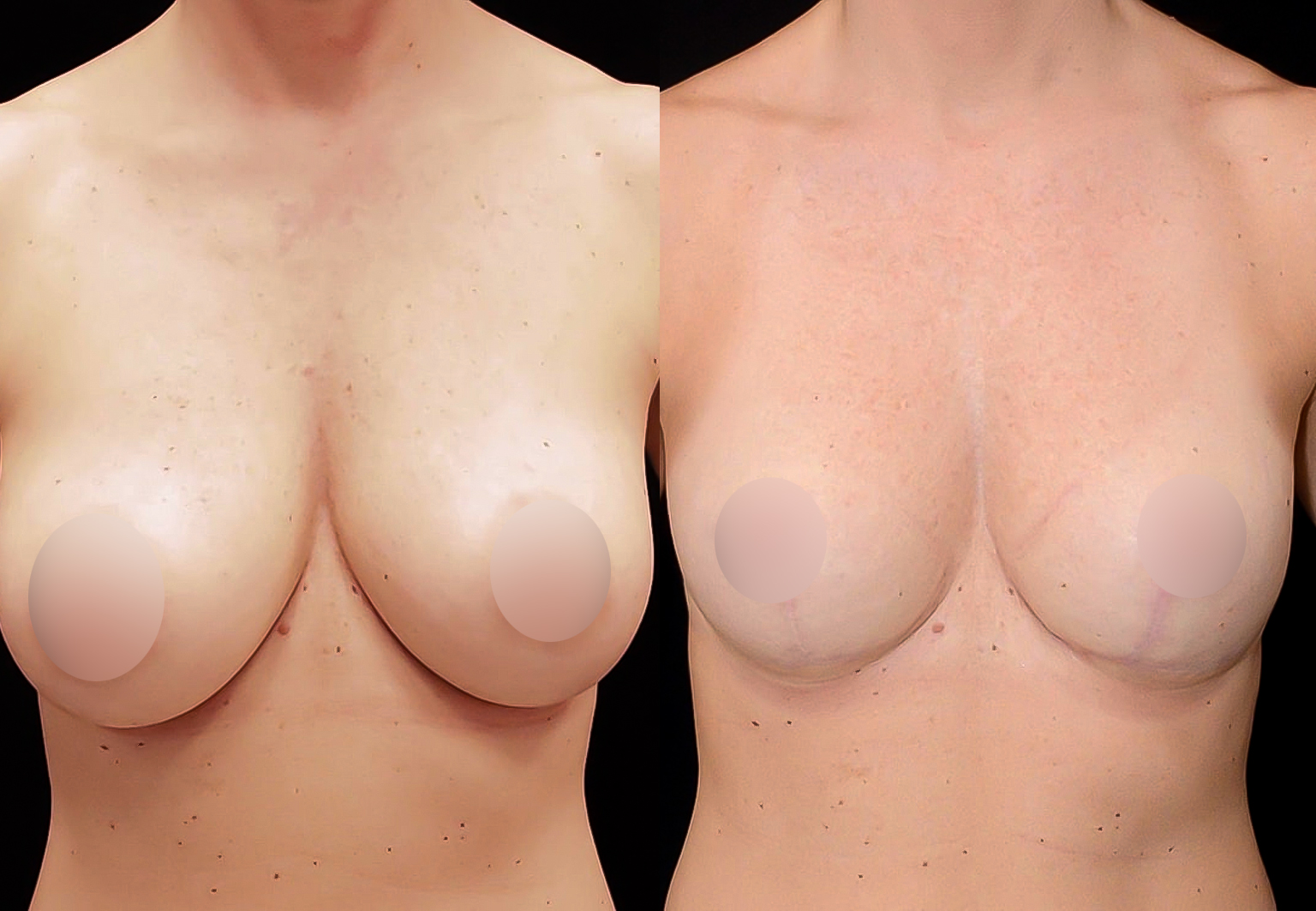
Results
See how reduction mammoplasty can help alleviate physical discomfort and create more proportionate breast contours through carefully planned tissue removal coordination. Each result depends on the patient’s breast volume, tissue composition, desired outcome, and individual healing process.
Is breast reduction covered by insurance?
How much smaller will I be?
Your surgeon estimates based on your body proportions and goals. Typical reductions remove 300–1000g per breast. You discuss target size during consultation.
Will my nipples be repositioned?
Yes, the nipple-areola complex is elevated to a more youthful position. In very large reductions, nipples may be completely detached and regrafted (free nipple graft), which affects sensation and breastfeeding ability.
Can I breastfeed after reduction?
Pedicle techniques (keeping nipple attached to underlying tissue) preserve breastfeeding potential in most cases. Free nipple grafts eliminate this possibility. Discuss your family plans with your surgeon.
Is the weight relief immediate?
Yes, patients typically report immediate relief of shoulder and back pressure upon waking from surgery. Final cosmetic results emerge as swelling resolves over 3–6 months.
What is the recovery like compared to augmentation?
Similar timeline but often more comfortable because tissue is removed rather than stretched. Most patients return to desk work in 1–2 weeks.
Get Your
Free Consultation
Speak With
A Medical
Consultant
Fill out the form and our team will contact you with personalized guidance and treatment information.
Copyright 2026 by Carebridge US. All rights reserved.
Copyright 2026 by Carebridge US. All rights reserved.